

Fitting tribute: Museum’s memorial hall dedicated to General John W. Vessey Jr.
By Curt Brown
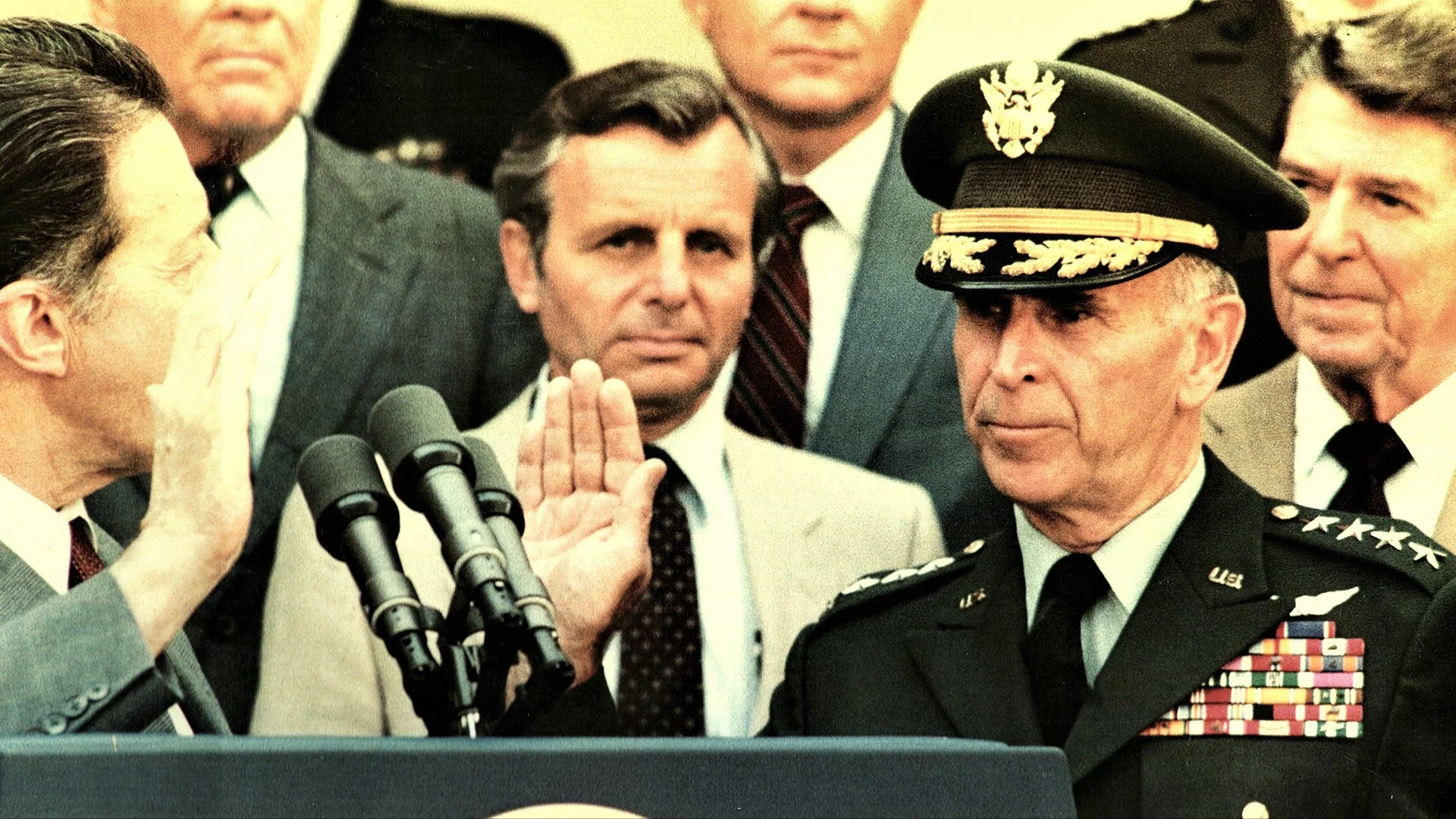
U.S. Defense Secretary Caspar Weinberger swears in General Vessey as Chairman of the Joint Chiefs of Staff. President Reagan observes and participates. Monday, June 21, 1982
As a Depression era, 16-year-old from Minneapolis Roosevelt High School, John William (Jack) Vessey Jr. launched an amazing military career with a fib. When first enlisting in the Minnesota National Guard, he fudged a couple years, saying he was born in 1920 instead of ’22 to skirt the minimum enlistment age of 18.
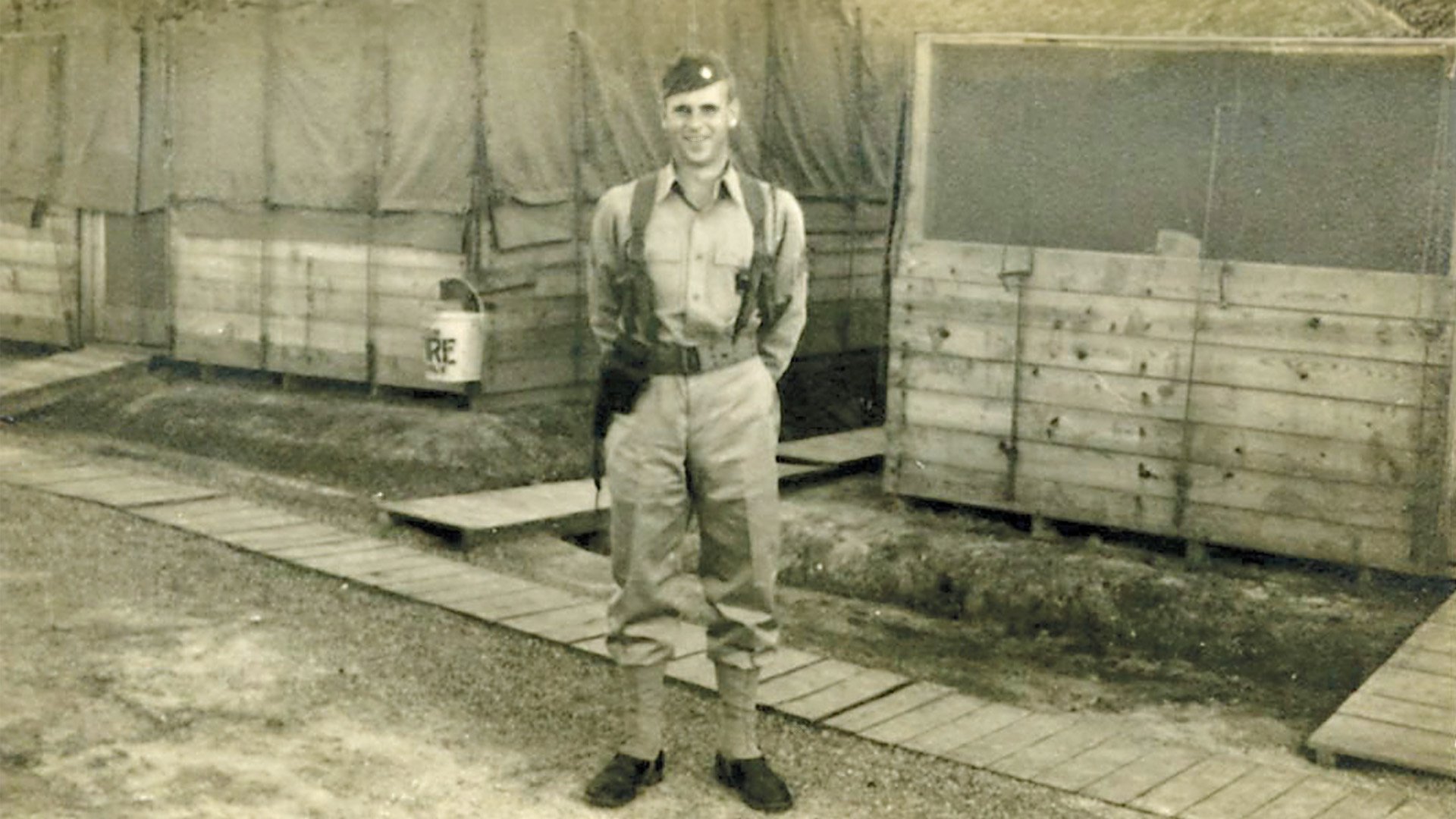
That urge to serve would surge through the next half-century of U.S. military history as Vessey was among the first to fight the Nazis in North Africa. He won his battlefield commission on Italy’s bloody beachhead at Anzio. Years later during the Vietnam War, his leadership defending a firebase partly overrun by Vietcong fighters earned him a Distinguished Service Cross. In the 1980s, President Ronald Reagan tapped Gen. Vessey to be the nation’s pre-eminent military advisor as the chairman of the Joint Chiefs of Staff. Vessey’s leadership has been credited for the post-Vietnam modernization of the military and he’s viewed as a crucial player in the end of the Cold War with the Soviet Union.
One simple gesture at the end of that illustrious, 46-year career tells much about Vessey’s connection to his Minnesota roots. Although he’d served in Tunisia, Italy, South Korea, Laos and Vietnam, Minnesota got a mention in his resignation letter to Reagan in 1985. Written in the autumn a few months earlier than required, Vessey told his commander in chief he’d promised his wife, Avis, they’d be home in Minnesota before the first snowfall.
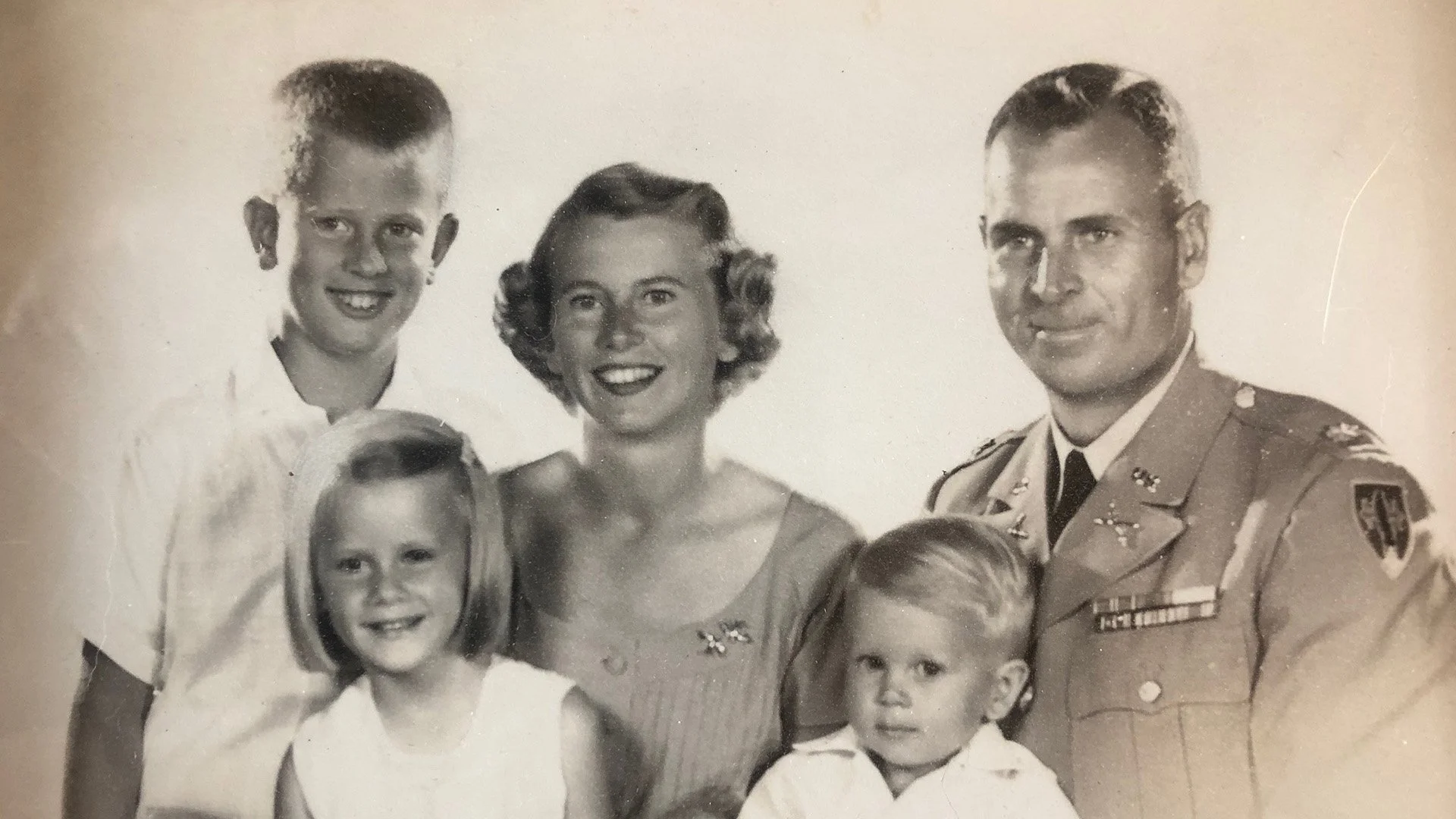
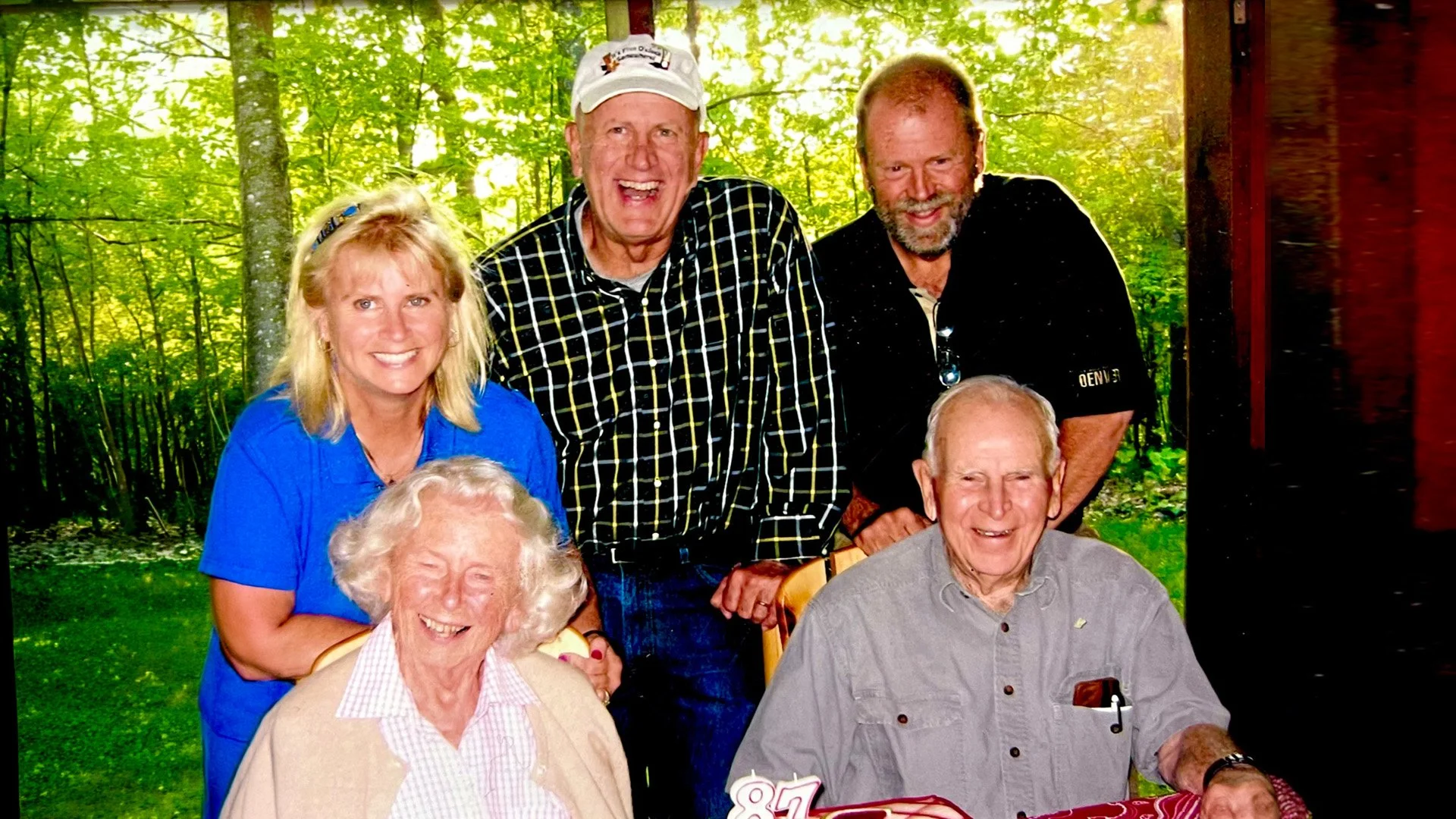
When Vessey died a decade ago, he requested that his remains to be buried in the Minnesota State Veterans Cemetery adjacent to Camp Ripley, near Little Falls. That just happens to be across the road from Minnesota’s new Military and Veterans Museum. And that’s where — 50 years after Gen. Vessey earned his fourth star — three other Minnesota-bred four-star generals gathered to dedicate the museum’s hall in Vessey’s honor.
Each born five years apart and a generation after Vessey, Generals Thomas Waldhauser (1953), Joe Votel (1958) and Paul Nakasone (1963) joined Vessey’s son and grandson for a ceremonial opening of the new museum’s Vessey Hall.
At the September 2026 event tied to the museum’s opening, Waldhauser joked that there were “several layers in the chain of command between a company commander like me and the chairman of the Joint Chiefs.”
Although they’d never met, Waldhauser wanted to learn more. So we went to the Pentagon on a research mission to study Vessey’s records — unearthing that Minnesota winter reference in his resignation letter to Reagan among other telling anecdotes. In May of 1982, appearing before the Senate Armed Services Committee to win approval as Joint Chiefs chairman, Vessey self-deprecatingly told senators his unexpected rise from teen soldier to the nation’s top military advisor left him at that lofty moment asking: “Why in the world am I here?”
“Despite saying that,” Waldhauser told the audience at the hall’s dedication, Vessey “was perhaps better prepared than any of the joint chiefs over the long period of his career”, which spanned from his joining the Minnesota National Guard in 1939 to his not-quite-done retirement in 1985. “He was ready for the job and he knew it,” Waldhauser said.
With Minnesota’s trademark Lutheran humbleness, Vessey never relished basking in the spotlight.
“We have had a lot of famous generals who have been in the public eye, and I think rightly so — MacArthur, Eisenhower, Bradley,” Vessey said in 1984. “I am not in that category.”
At the hall’s dedication ceremony, grandson Jack Vessey IV shared a family story passed down from his father about a highlight of a late-1990s Vessey speech.
“He couldn’t recall much of the speech his father gave,” the grandson said. “But this part stuck: The greatest American pronoun was ‘we.’ As in ‘we hold these truths to be self-evident’ and ‘we the people in order to form a more perfect union.’’’
“There is no room for ‘they’, only ‘we,’” Jack IV said, echoing his grandfather. “The ‘we’ of the squad, the team, the platoon, the company, the battalion, the brigade, the division” and the larger military branches as a whole.
“The ‘we’ is what my grandfather believed in his whole life,” Jack said. “And that’s the same ‘we’ that built this museum, this collection and this hall that bears his name.”
Nakasone recalled courting Vessey to speak as a 22-year-old cadet at St. John’s University down the road from the general’s place on Little Whitefish Lake near Garrison — where he split time from his home in North Oaks.
When Nakasone’s letter to Vessey went unanswered, fellow cadets goaded him to call the general — who’s number was listed in 411.
“Peeved” that the general hadn’t responded to his letter, Nakasone called the lake house about 8 a.m. “He’d just woke up and he said, ‘I think I’ll come.’’’
One older Minnesota soldier couldn’t turn down a younger generation’s invitation.
“Much of what he went on to say was lost on me at 22,” Nakasone said. “But he zeroed in on leadership and that wasn’t lost on me.”
Maybe the best example of Vessey’s leadership came a few years after he’d officially resigned as Chairman of the Joint Chiefs. In 1988, Vessey spearheaded dicey negotiations with Communist leaders in Hanoi — leading to the eventual recovery of the remains of about 900 military members missing from the Vietnam War.
Not only Reagan, but the elder George Bush and Bill Clinton also chose Vessey as a special White House envoy to find out what had happened to those hundreds of Americans listed as prisoners of war or missing in action since 1975. His work — looking his former enemies in the eye to get closure for families back home — earned Vessey a 1992 Presidential Medal of Freedom, the country’s highest civilian honor.
“He had the Midwestern values of a guy from Garrison, Minnesota, who could operate at the highest levels of government,” Votel said, calling Vessey “a trusted hand” advising the president at the end of the Cold War.
“He was front and center and the right person with the right values and interpersonal skills,” Votel said. “He was a leader of consequence. I mean, an enlisted soldier to chairman of the Joint Chiefs…”
And among all the factors that shaped Vessey’s legacy, Votel think one stands out.
“He never lost the soldier’s view of strategic issues, never lost the perspective of what it means to be a soldier in Anzio, Vietnam or Korea.”
That distinction wasn’t lost on New York Times reporter Robert McFadden, whose 63-career included 4,200 stories and the obituary of Reagan’s Chairman of the Joint Chiefs of Staff. In it, McFadden wrote of Vessey: “Plain-spoken, he had none of the polish of former chairmen…and unlike most of them… he had mostly been a combat officer, out of Washington’s limelight.”
Now thanks to the Minnesota Military and Veterans Museum, some of that limelight will shine on Vessey and artifacts from his career donated by the family. Those mementos include the Pentax camera Vessey carried in Vietnam, dented beyond use with shrapnel.
“My dad believed that the courage, character and commitment of our service members are the bedrock of American freedom and he just didn’t say that, he lived it in uniform and out,” his son, David Vessey, told the gathering at the hall’s dedication. “To have his life work be part of this incredible exhibit will remind future generations what it means to serve both country and community with integrity. “This would be one of the greatest achievement of his life.”
Vessey’s Three Fellow Minnesota Four-Star Generals
Joseph Votel: A graduate of St. Paul’s Cretin-Derham Hall High School, Votel rose to commander of the U.S. Central Command (2016-2019) — a job previously held by big-name generals like James Mattis, David Petraeus, and Stormin’ Norman Schwarzkopf. Before that, he commanded U.S. Special Forces.
Born Feb. 14, 1958, Votel attended the U.S. Military Academy and was commissioned in 1980 as an Army infantry officer. He served as a rifle platoon leader with the 3rd Infantry Division in Germany. Ensuing assignments sent him to Allied Forces headquarters in Italy and the NATO Peace Implementation Force in Sarajevo. He commanded the 2nd Battalion 22nd Infantry (Light) at Fort Drum, NY and the 75th Ranger Regiment during Operation Enduring Freedom.
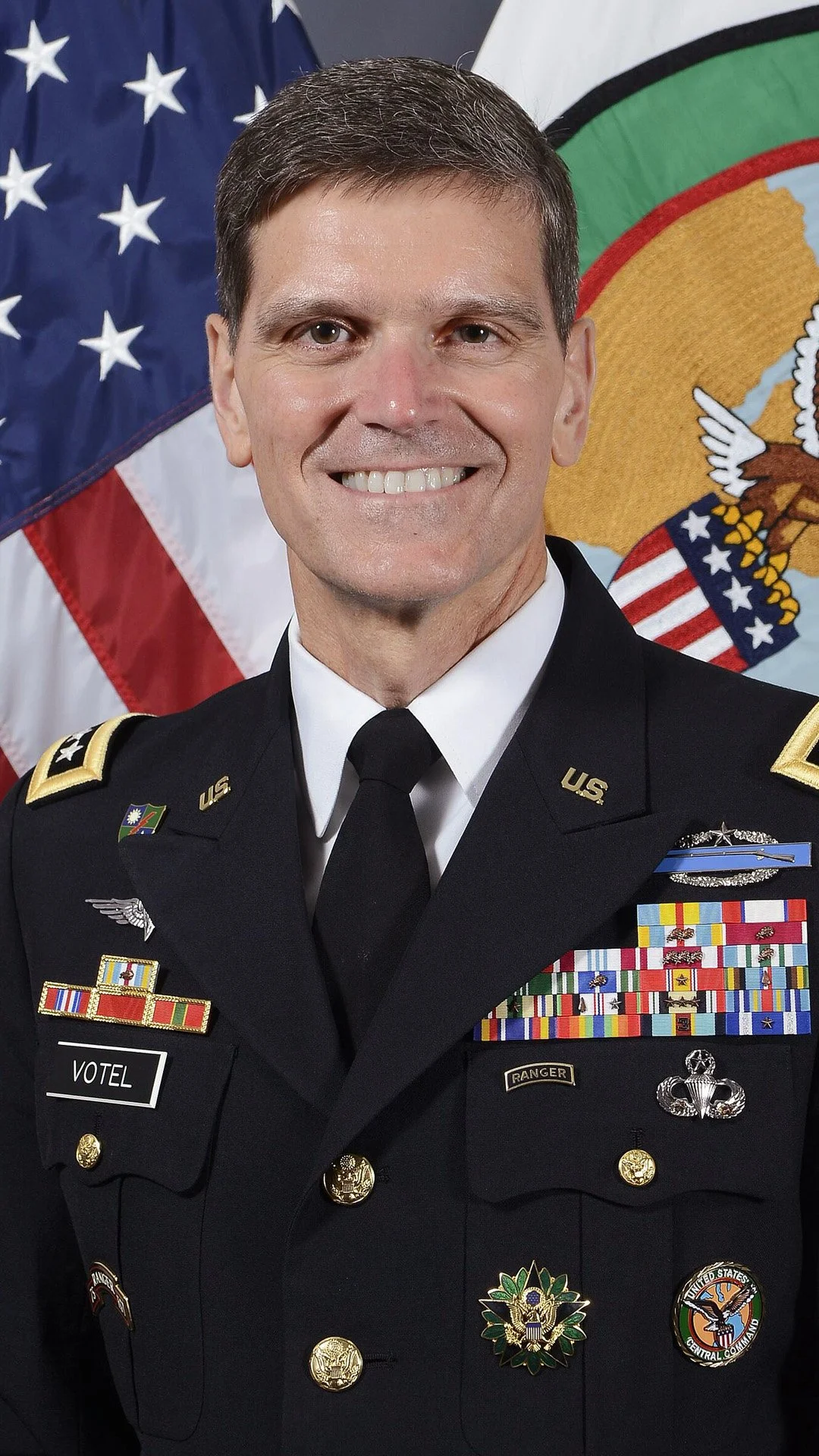
In 2021, Votel led 200 Rangers, who parachuted south of Kandahar in an operation known as Operation Rhino that attacked several Taliban targets. Votel served in the Pentagon as the director of the Army task force aimed at overcoming Joint Improvised Explosive Devices. He also served as the Deputy Commanding General during Operation Enduring Freedom. In 2014, President Barack Obama nominated him as the 10th commander of U.S. Special Operations. Votel took control of U.S. Central Command in 2016, working deep inside the Middle East and the continued war on terrorism. He retired after nearly 40 years in the military in 2019.
Thomas Waldhauser: Born in South St. Paul in 1953, Waldhauser graduated from Bemidji State and was commissioned as an infantry office in 1976. He climbed to Commanding Officer of the Marine Detachment aboard the USS Long Beach; and on the staff of the Commander of Amphibious Squadron Seven. During the Amphibious Warfare School tour, he deployed to Operation Desert Shield/Desert Storm. He also served on the Marine’s Expeditionary Force staff and as Battalion Landing Team Commander of 3rd Battalion, 2nd Marine Regiment. In 2000, he served as a commander in combat operations in Southern Afghanistan for Operation Enduring Freedom and in Iraq for Operation Iraqi Freedom.
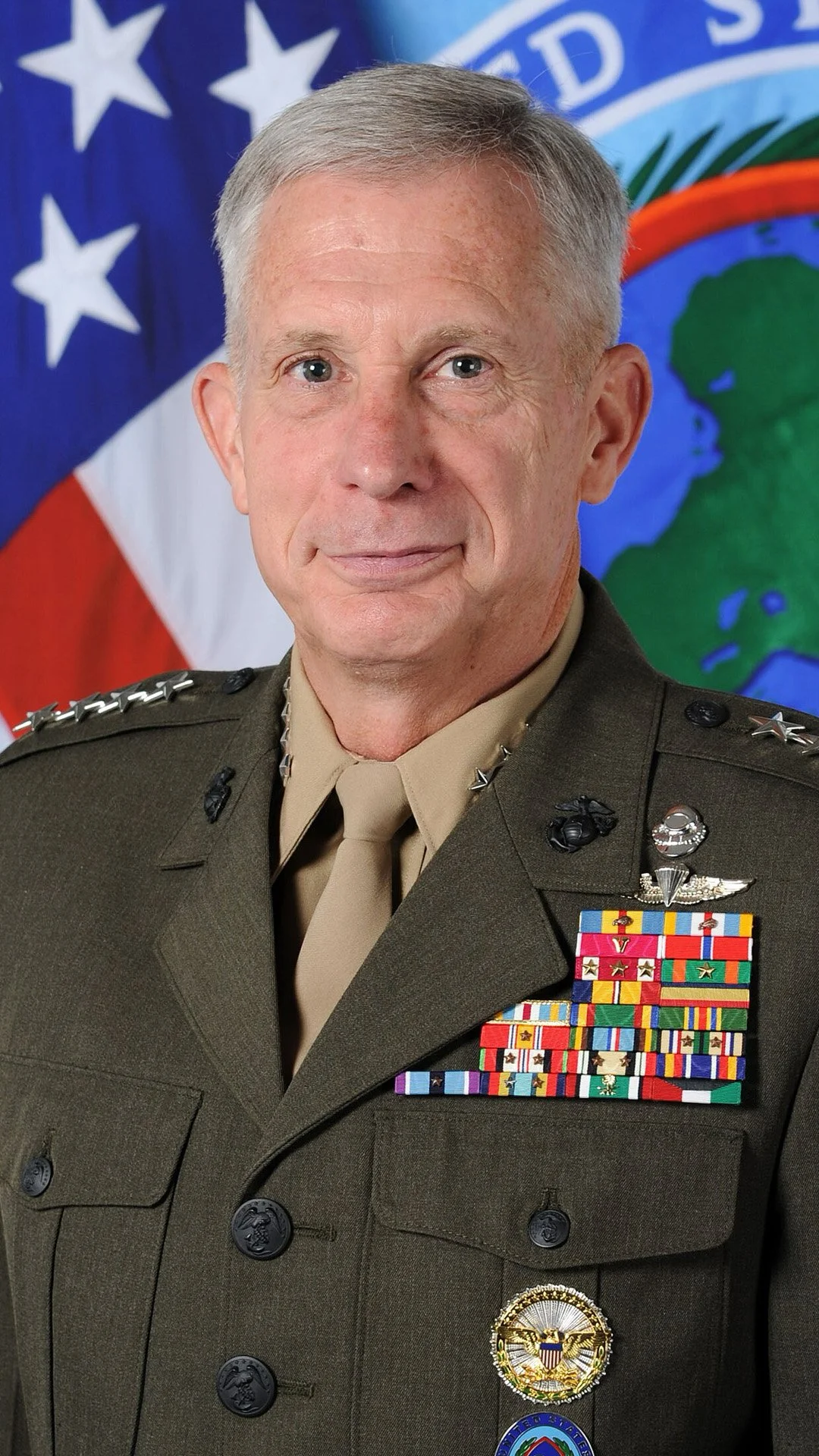
He was appointed Brigadier General in 2003. From 2006-2007, he served as Chief of Staff, U.S. Special Operations Command in Tampa, Florida. He went on to command the First Marine Division from 2007 until 2009. He was tapped as Deputy Commandant for Plans, Policies and Operations during 2009-2010 after which he commanded Marine Expeditionary Forces as a general.
Paul Nakasone: Born in White Bear Lake, Minn., in 1963, Nakasone graduated from St. John’s University and retired as a four-star general commanding the U.S. Cyber Command and directing the National Security Agency. In 2016, he took command of U.S. Cyber Command and directed the NSA’s Central Security Service from 2018 until 2024.
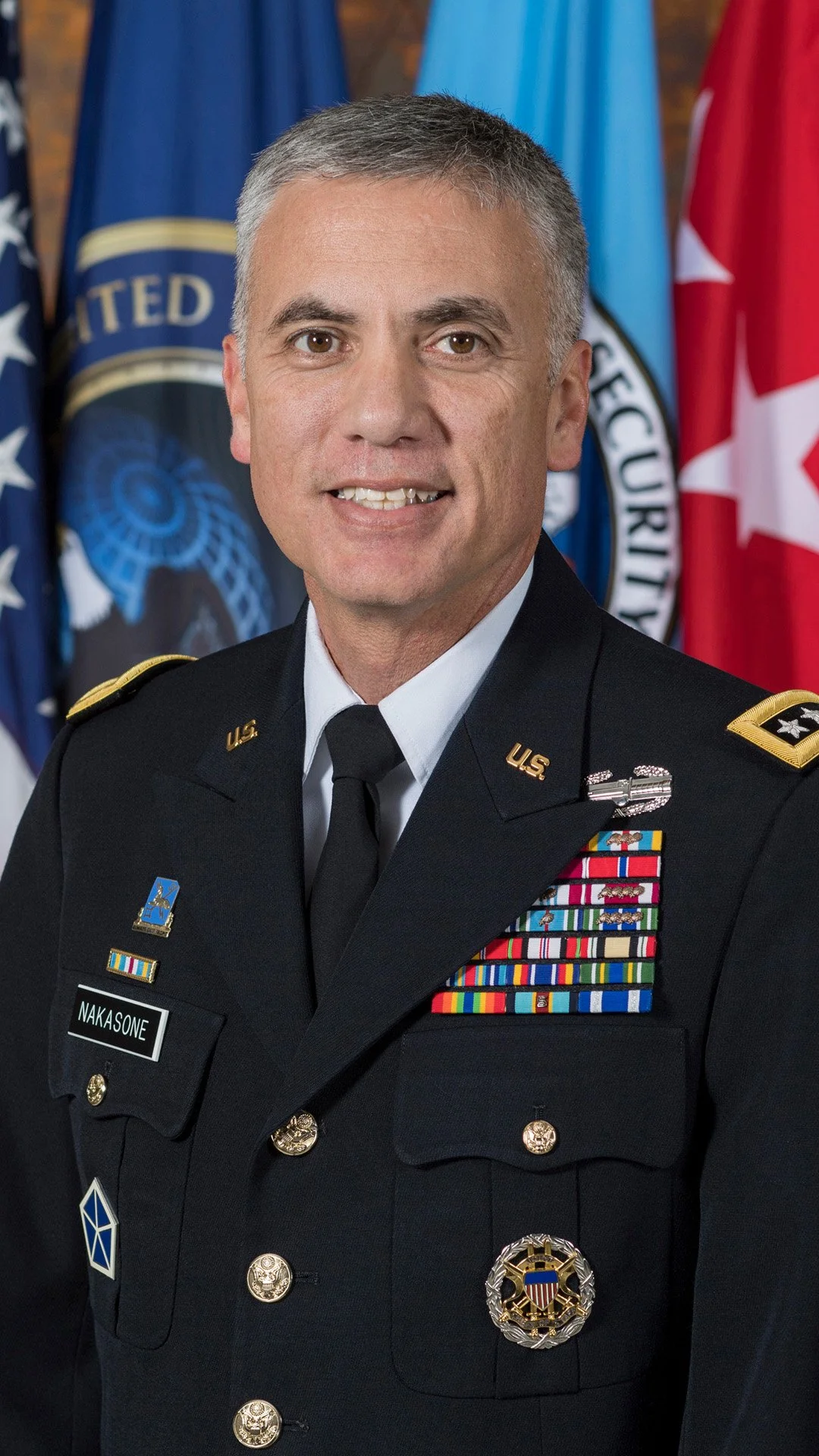
Nakasone has held command and staff positions across all levels of the Army with assignments in the United States, South Korea, Iraq, and Afghanistan. He served twice as a staff officer on the Joint Chiefs of Staff.